

The Rise of Voice Search & Conversational SEO: How to Optimize for 2025 and Beyond
The Rise of Voice Search & Conversational SEO: How to Optimize for 2025 and Beyond
Introduction:
The way people search on the internet is changing really, really fast too. Google Assistant, Siri, Alexa, and even voice apps are the hip new thing these days, and shoppers are setting the keyboard aside and opting to do it all via voice. Voice search is no longer a trend—it’s a change in behavior that marketers can’t afford to ignore. More than 60% of online searches will be voice-activated by as early as 2025.
This article discusses voice search technology and conversational SEO transformation, and offers expert advice on how to have your web content ready in order to remain at the forefront of this new search revolution.
1. What is Voice Search
Voice search enables a consumer to query questions aloud instead of typing. It can be done with smartphones, smart speakers (such as Amazon Echo), computers, or automobiles. Voice search employs NLP to interpret user queries and provide resulting responses.
Signature features:
Speech dialogue
More local and instant intent (near me queries)
Examples:
- Text: “best pizza NYC”
- Voice: “Where is the nearest best pizza nearest to me now?”
2. Description
Why Voice Search Matters in 2025
Voice devices are the monarchs of 2025. Shoppers employ voice devices while behind the wheel, in the kitchen, at the gym, and juggling other tasks. What it means to SEO practitioners and marketers:
- Increased use of natural language and conversational search terms
- Increased dependency on long-tail keywords
- Increased dependency on position zero and featured snippets
- Mobile and local-first search optimization
- Key points to recall:
- 75% of smart speaker users make weekly searches
- 58% of voice searchers use voice search to locate nearby businesses
- 3 times more likely voice search queries are local in nature
3. Conversational SEO
Conversational SEO is making your content behave conversationally like people do when they talk. It’s what voice search demands.
How it differs from other SEO:
Traditional SEO: Technical SEO, concise keywords, backlinks
Conversational SEO: Natural language, intent of the user, context, and reply immediately
How Google voice answer searches:
- Featured snippets and Knowledge Graph
- Page speed and mobile usability
- Ease of content and relevance
- Schema markup (structured data)
4. Voice Search Optimization Strategies
- Optimize Based on Question Phrases and Long-Tail Keywords
- Individuals give commands in sentence form. Optimize with question phrases and long-tail keywords.
- Utilize Answer the Public, SEMrush, or Google’s “People Also Ask”
- Examples: “How to make website faster?”, “What is the best SEO tool for small business?”
- Optimize for Featured Snippets (Position Zero)
- Most voice responses are from featured snippets.
- Clean headings (H2/H3)
- Brief answers (30-50 words)
- Numbers and bullet points
- Local Search always wins
- Since most voice searches are local intent, get listed.
- Claim and verify Google Business Profile
- Local keyword and phrase usage
- Add phone number, hours, and address schema markup
- Page Speed and Mobile Optimization
- Voice search is mobile first. Google loves responsive, fast loading sites.
- Optimize images
- Use lazy loading
- Boost Core Web Vitals scores
- Build Conversational Content
- Construct blog posts, FAQs, and landing pages that answer actual user questions.
- Format content as Q&A
- use voice-conversational phrases like “Here’s how…” or “Let me tell you”
- Implement Structured Data Markup
- Get it indexed by search-engines.
- Implement schema.org markup for products, FAQs, events, reviews
- Test using tools like Google’s Rich Results Test
5. Voice Search Content Types That Cut It
- FAQs: Best to answer straightforward voice questions
- How-to Guides: Perfect step-by-step recipe
- Local Landing Pages: Local timings, local services, directions mentioned
- Blog Posts in Soothing Tone: Mimic natural speech rhythms
- Knowledge Base/Support Articles: Brevity, point-for-point answers
6. Voice Search Across Devices
- a. Smartphones:
- Facilitates effortless and convenient search on-the-go
- Google Assistant & Siri used
- Smart Speakers (Echo, Google Nest):
- For everyday drudgery, shopping, and quick solutions
- Wearables and Smart TVs
- Voice search burst on TV shows and app discovery
- In-Car Voice Assistants
- Less mission-critical for local business search queries (restaurants, gas, directions)
- Make your brand content visible to all these touchpoints all the time.
7. Voice Search SEO Success Measurement
Voice search results have no CTR and clicks in the traditional sense, so you’ll need to measure differently:
Featured snippet acquisition
- “Zero-click” traffic lift
- Mobile traffic lift
- Local search visibility
- Bounce rate decrease
- (a signal query match)
- Use the following tools:
- Google Search Console (mobile search)
- SEMrush Position Tracking
- Local SEO platform like Brigh Local or Moz Local.
8. Avoid Traps
- Keyword stuffing: Natural words, not density
- Not mobile-friendly: Voice = mobile
- No understanding and grasp of local SEO: Particularly small business
- Not updated often: Voice searches alter according to trends
- Not schema markup priority: Enables voice assistants to pull out answers
9. Voice Search and Conversational SEO Future Trends
Multilingual voice optimization: AI language modeling and translation
Voice commerce (v-commerce): Growth of consumer user base for voice buying, etc.
- B2B voice search: Search behavior.
- executed by smart assistants.
- AI personalization: Voice assistants acting on monitoring user activity.
conclusion:
- Conversational SEO and voice search are no longer amenities but squarely in the middle of the way people are interacting on the web in 2025 and beyond. Voice search optimization is simply hearing what your users are saying wherever they are—naturally asking, naturally speaking and receiving helpful answers right back.
Related Links:
Local SEO & Google Maps Optimization:
Advanced Email Marketing Strategies: The Smart Marketer’s Playbook for 2025
Explosive Growth Hacks for Instagram & TikTok in 2025:
Products:
 |
 |
 |
 |
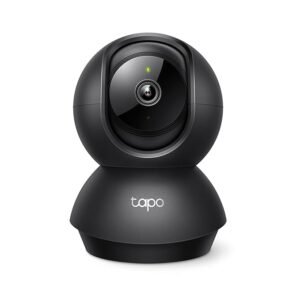
| Tapo C201 360° 2MP 1080p Full HD Pan/Tilt Home Security Wi-Fi Smart Camera| Alexa Enabled| 2-Way Audio| Night Vision| Motion Detection| Sound and Light Alarm| Indoor CCTV Black |
Leave a Reply